


286Works
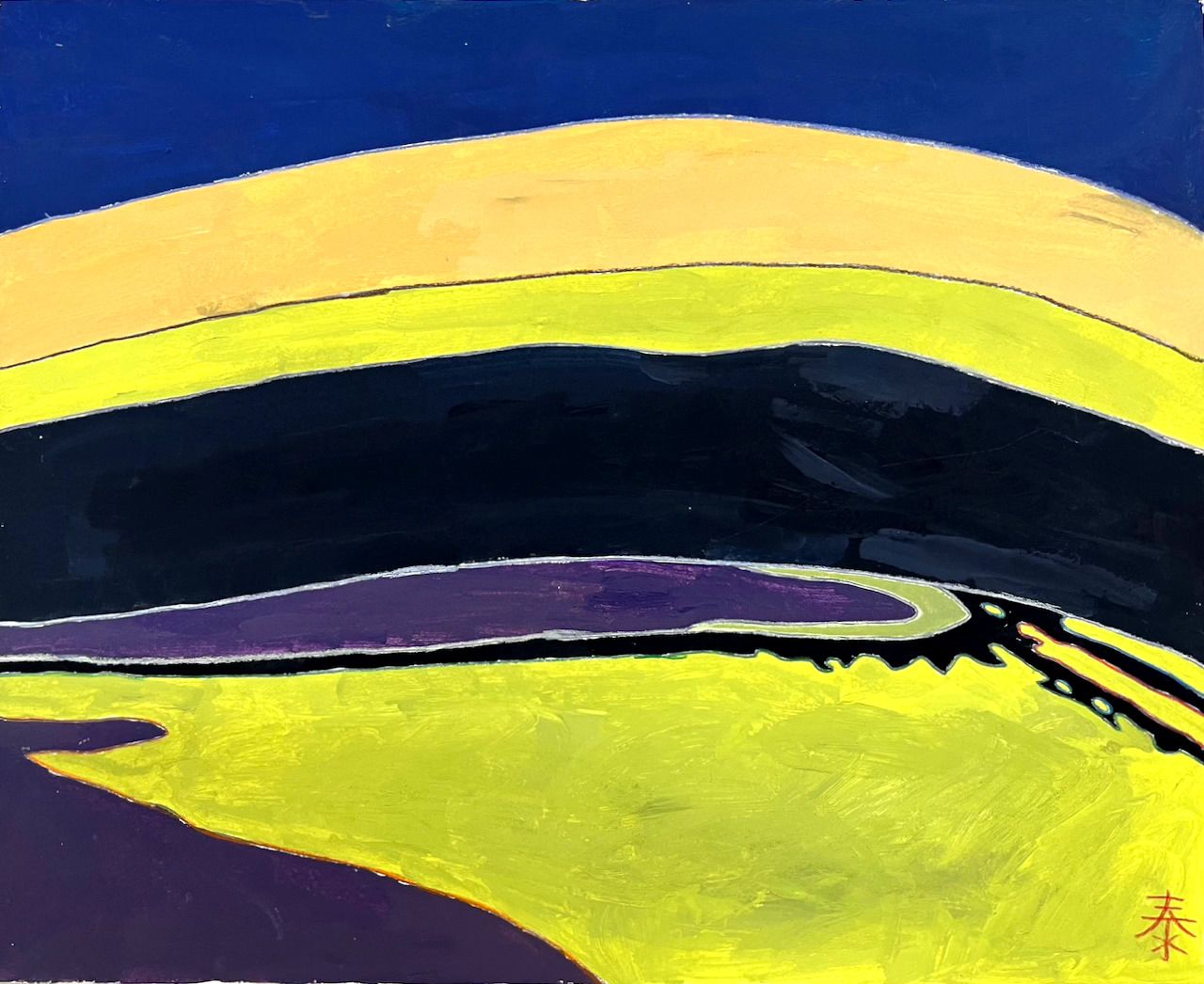
Yasuhiro Kobayashi
Mauna Kea (Hawaii, U.S.A.)
2024
Acrylic paints, colored pencils
Painting
H32.5 × W40 cm
JOY倶楽部 アトリエブラヴォ
Detail- SECTION :
- Partner
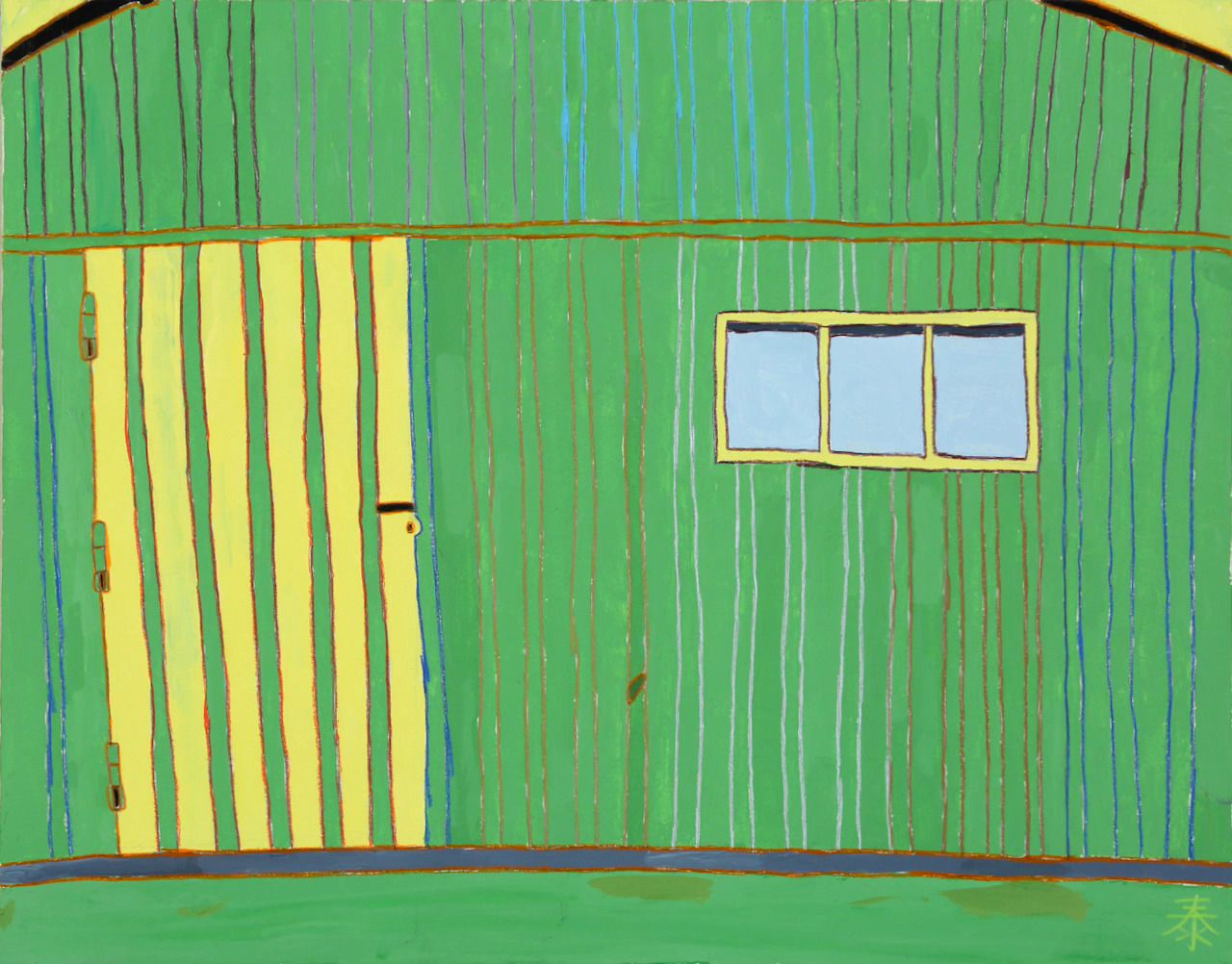
Yasuhiro Kobayashi
arente-Maritime, France
2021
Acrylic paints, colored pencils
Painting
H37 × W47 cm
JOY倶楽部 アトリエブラヴォ
Detail- SECTION :
- Partner
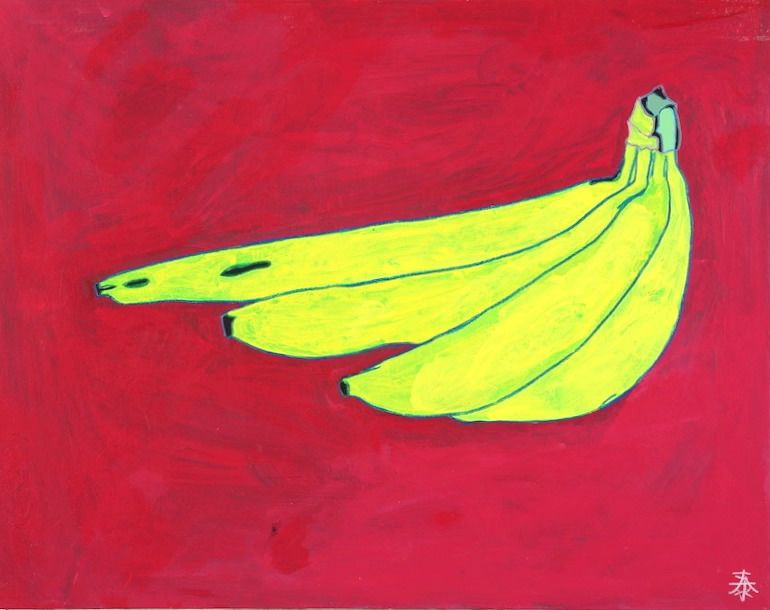
Yasuhiro Kobayashi
Banana
2015
Acrylic paints, colored pencils
Painting
H37 × W47 cm
JOY倶楽部 アトリエブラヴォ
Detail- SECTION :
- Partner
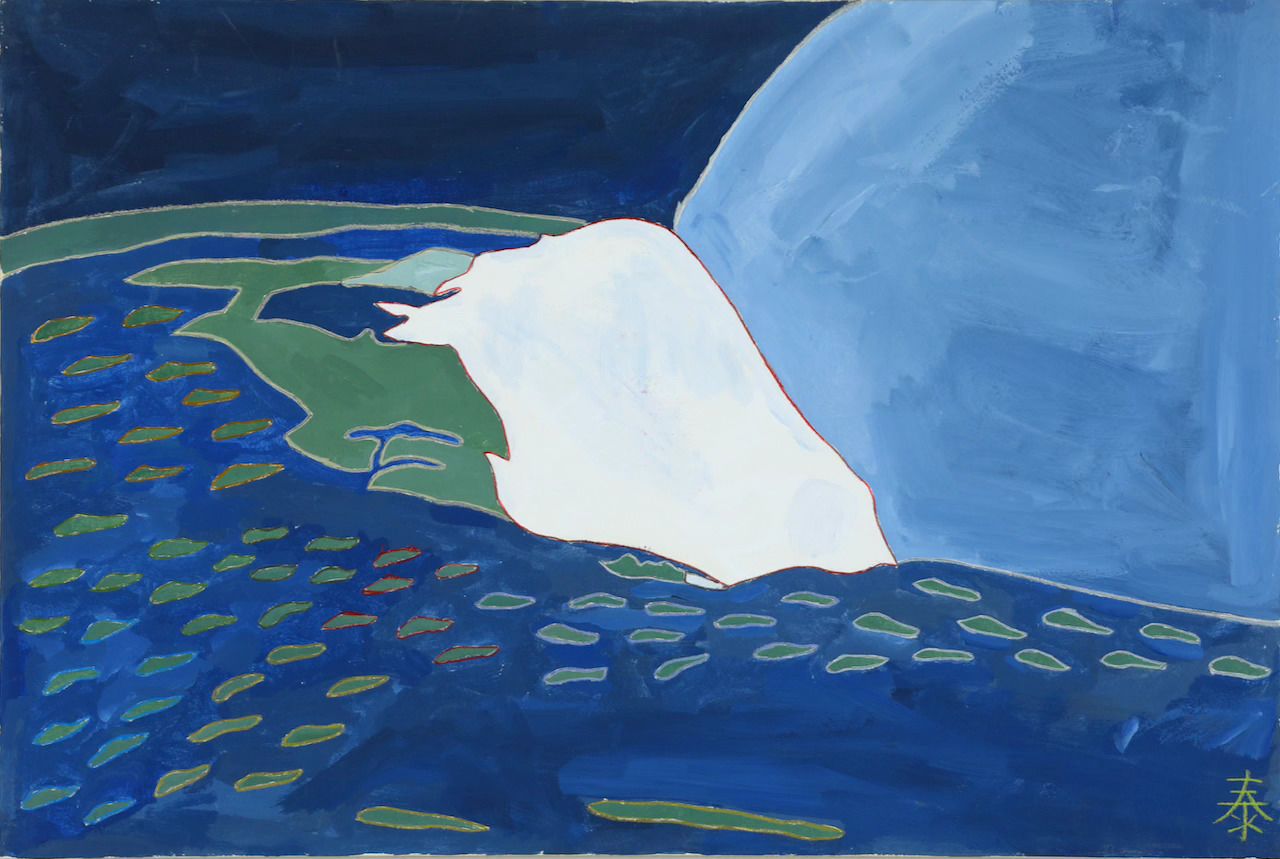
Yasuhiro Kobayashi
Everest's snow shadow
2023
Acrylic paints, colored pencils
Painting
H35.5 × W53 cm
JOY倶楽部 アトリエブラヴォ
Detail- SECTION :
- Partner
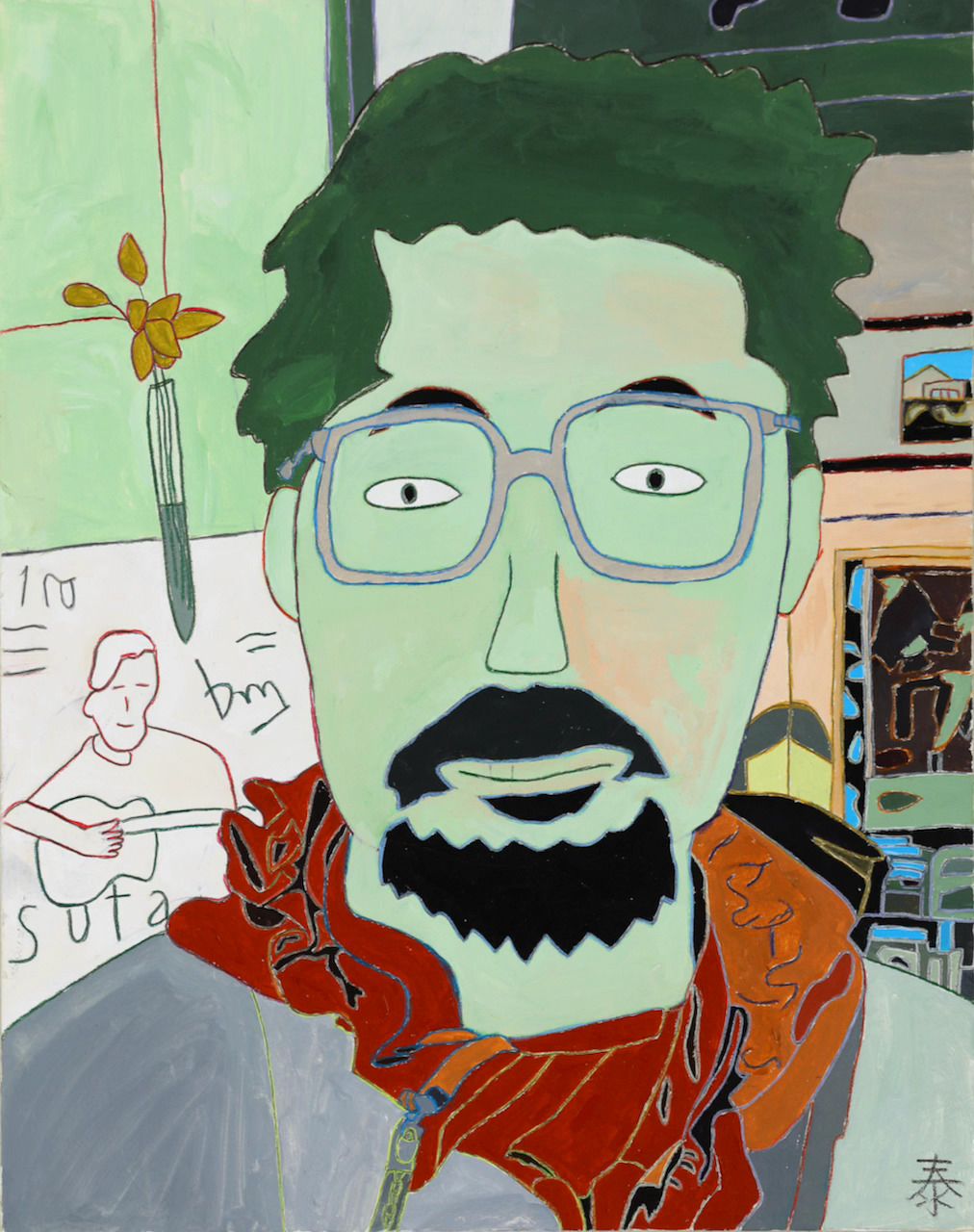
Yasuhiro Kobayashi
Mr. Amamizu lives in his hair salon
2024
Acrylic paints, colored pencils
Painting
H47 × W37 cm
JOY倶楽部 アトリエブラヴォ
Detail- SECTION :
- Partner
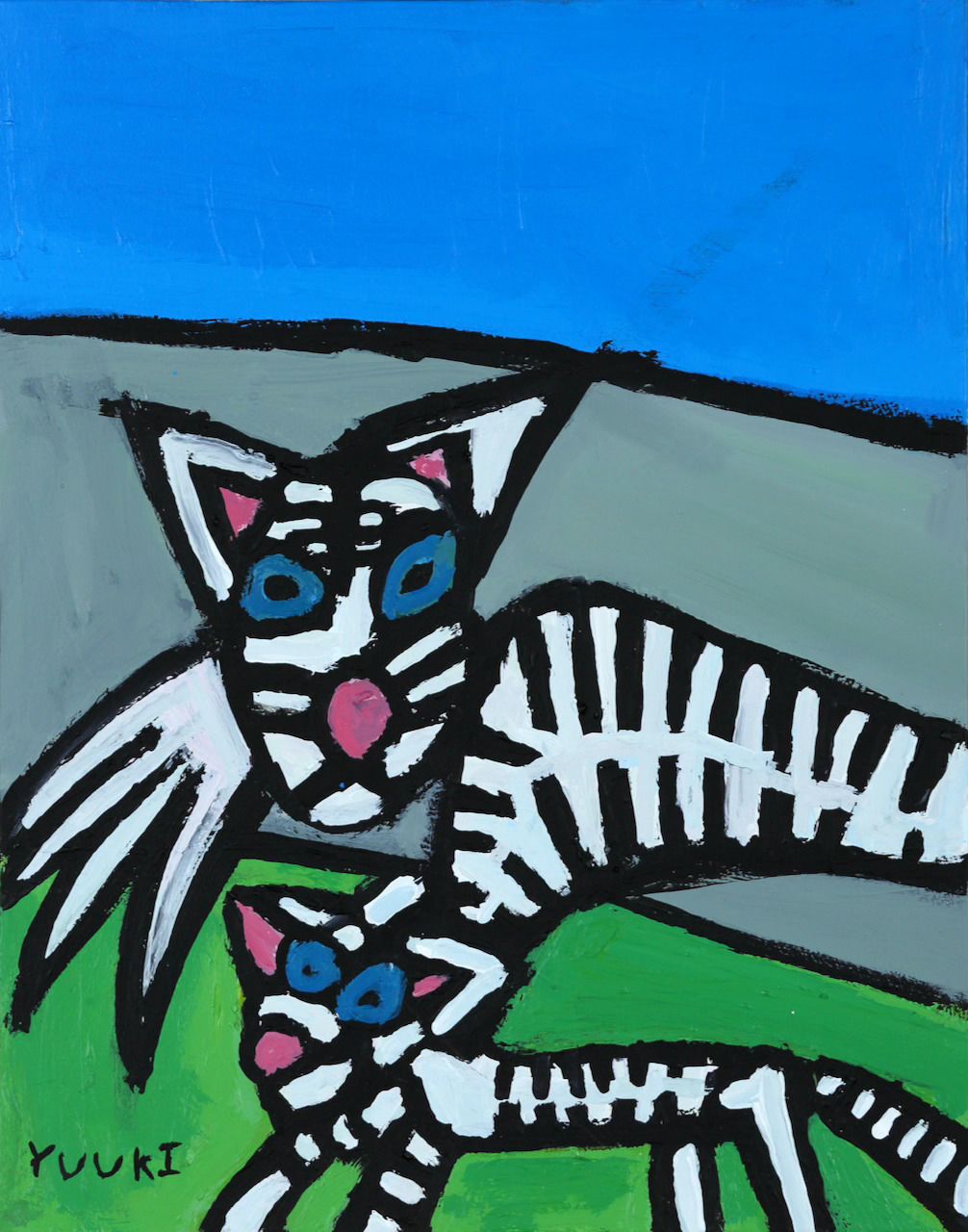
Yuuki Kawakami
White Tiger father and child
2018
Acrylic paints
Painting
H47 × W37 cm
JOY倶楽部 アトリエブラヴォ
Detail- SECTION :
- Partner
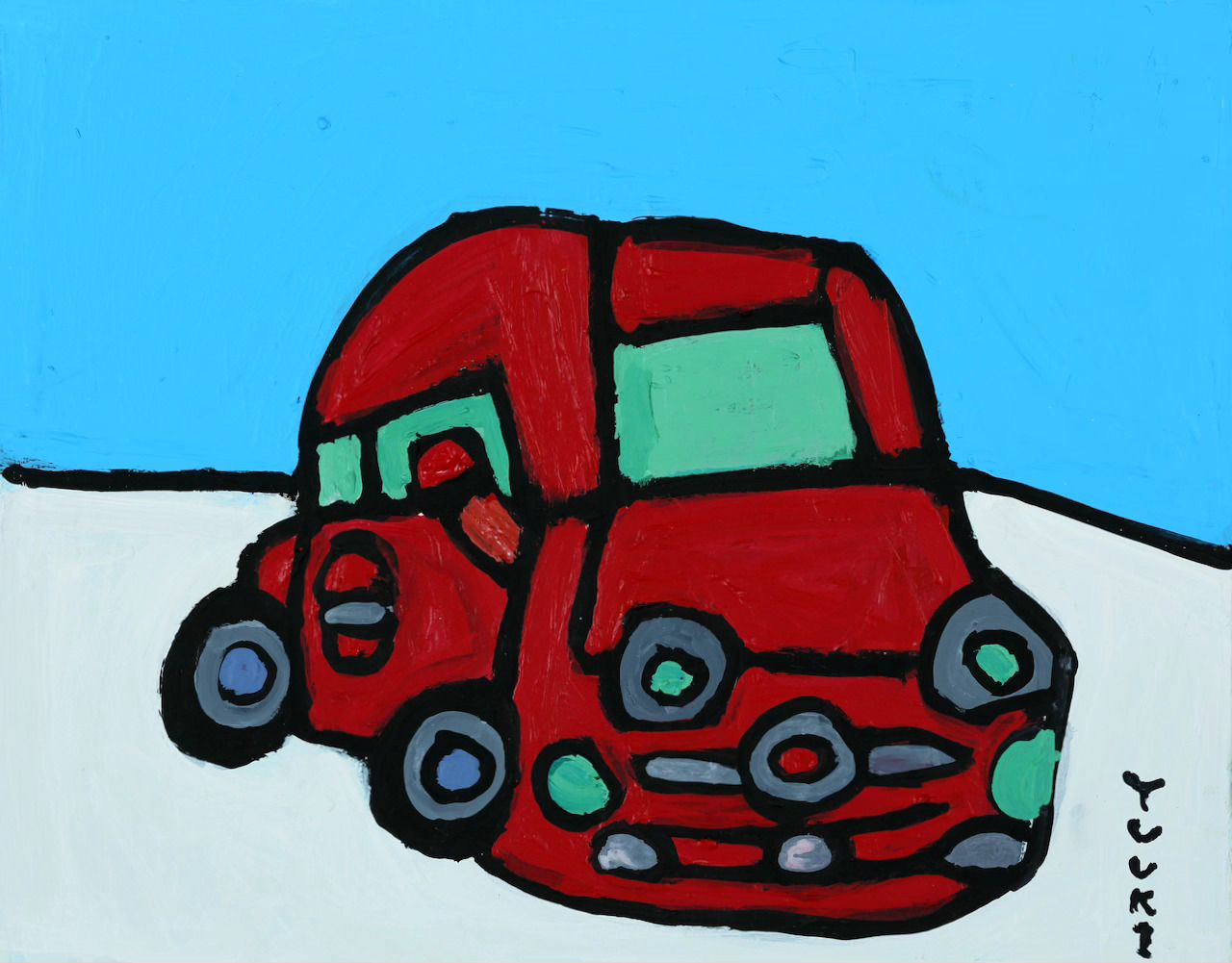
Yuuki Kawakami
Chairman's personal use car
2021
Acrylic paints
Painting
H37 × W47 × D2 cm
JOY倶楽部 アトリエブラヴォ
Detail- SECTION :
- Partner
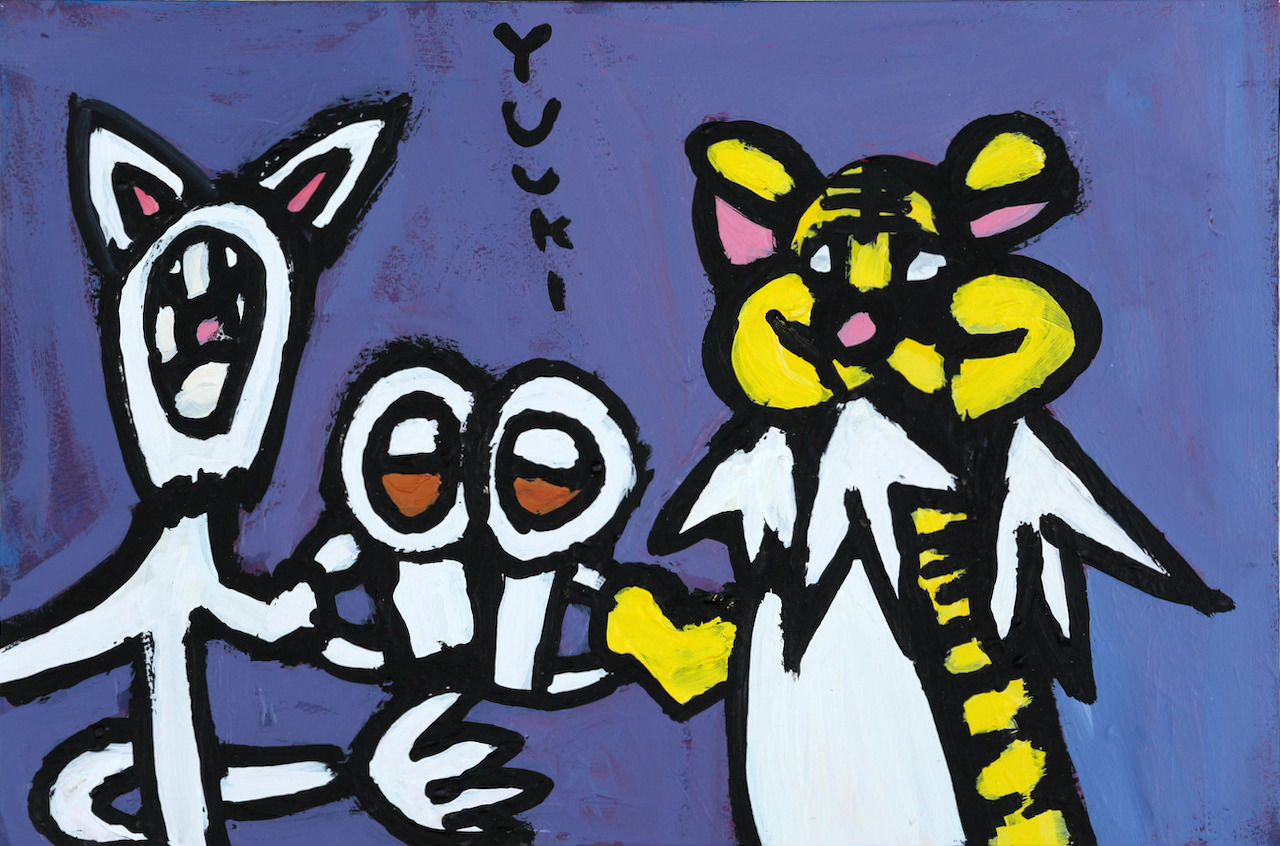
Yuuki Kawakami
Toast of the Tiger and the Lion
2019
Acrylic paints
Painting
H26.5 × W40 × D2 cm
JOY倶楽部 アトリエブラヴォ
Detail- SECTION :
- Partner
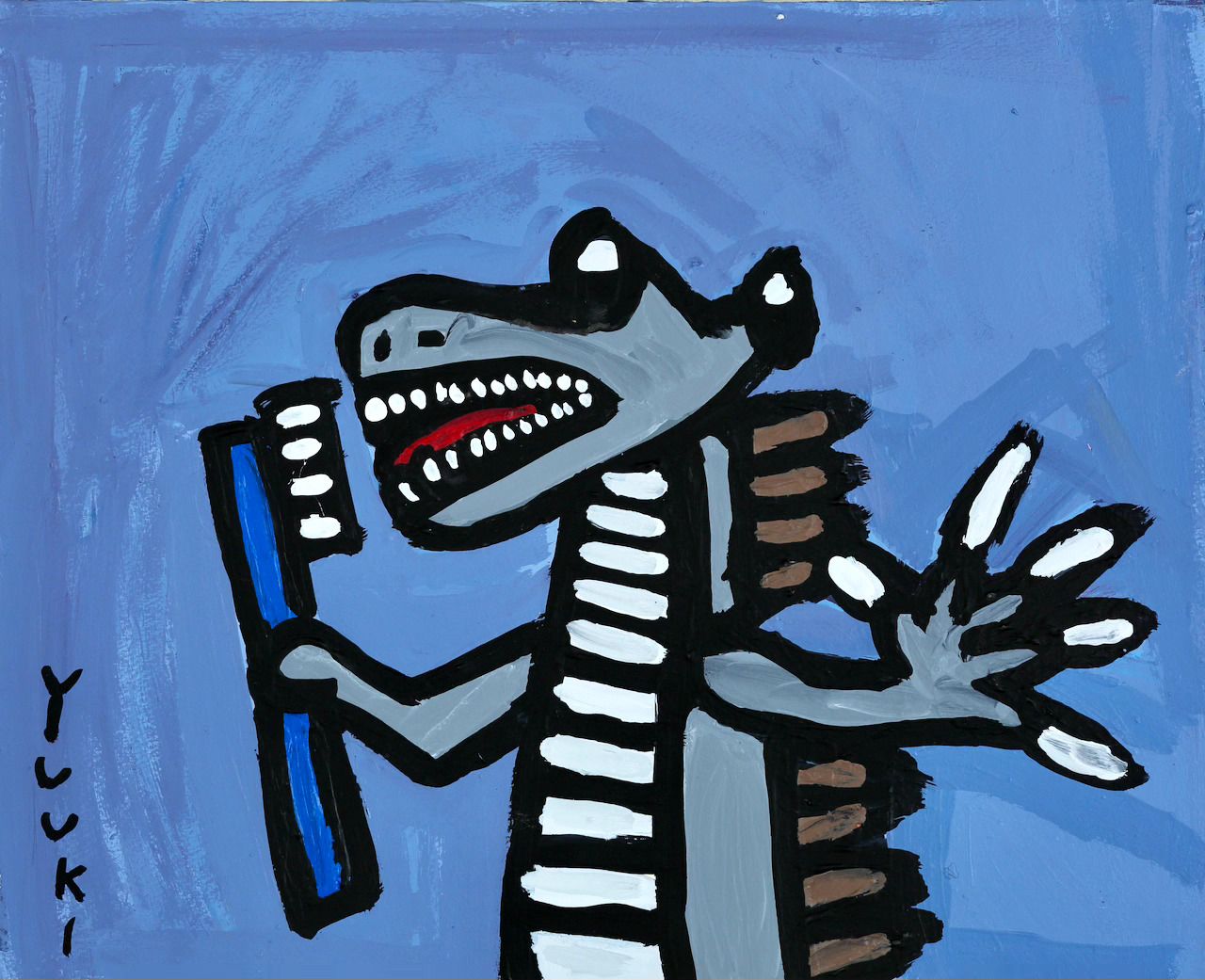
Yuuki Kawakami
Crocodiles brushing his teeth
2019
Acrylic paints
Painting
H32.5 × W40 × D2 cm
JOY倶楽部 アトリエブラヴォ
Detail- SECTION :
- Partner
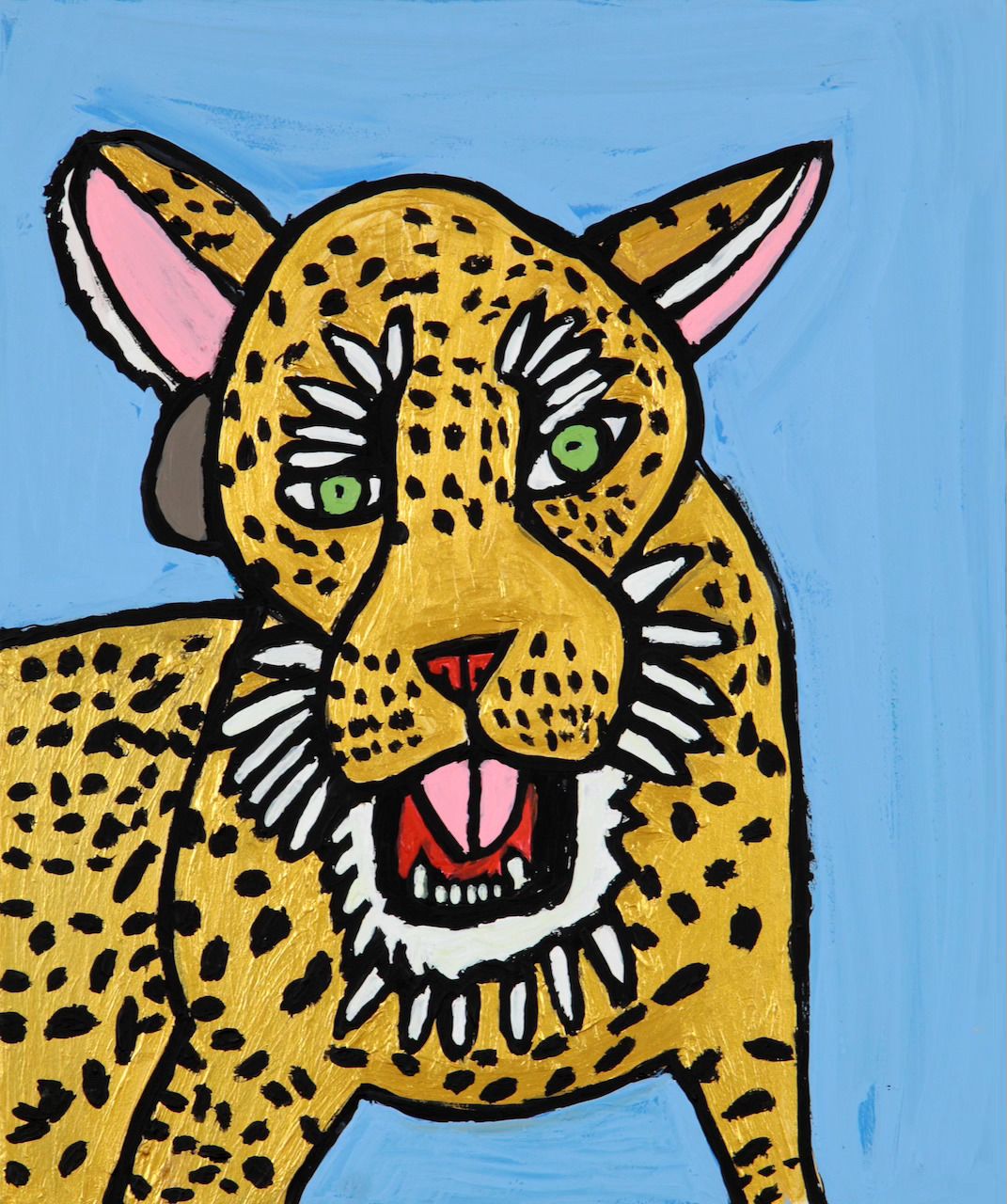
Yuuki Kawakami
Leopard
2011
Acrylic paints
Painting
H65 × W54.5 × D2 cm
JOY倶楽部 アトリエブラヴォ
Detail- SECTION :
- Partner
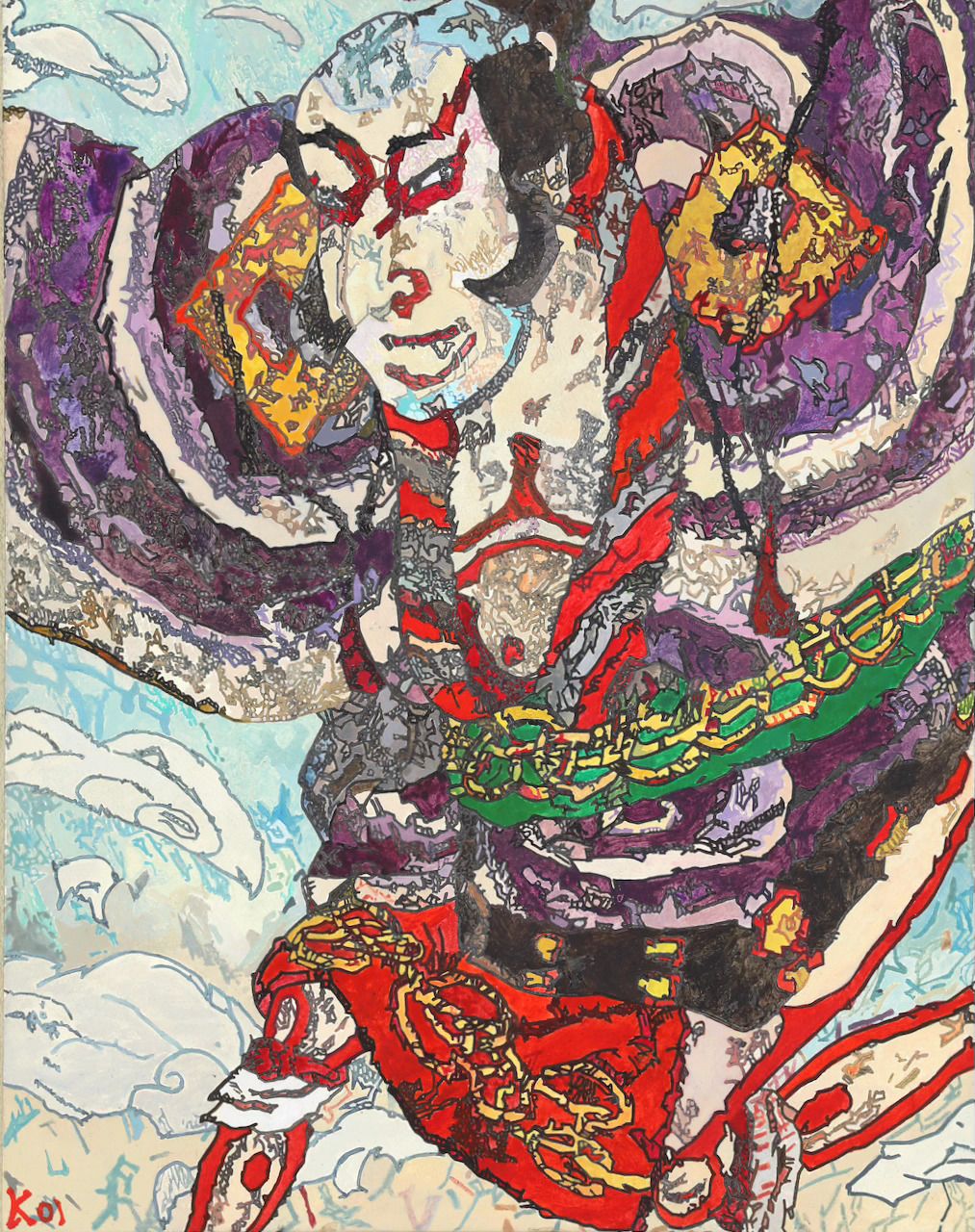
Kodai Hiwatashi
Rakuten Kabuki
2023
Acrylic paints, markers
Painting
H47 × W37 × D2 cm
JOY倶楽部 アトリエブラヴォ
Detail- SECTION :
- Partner
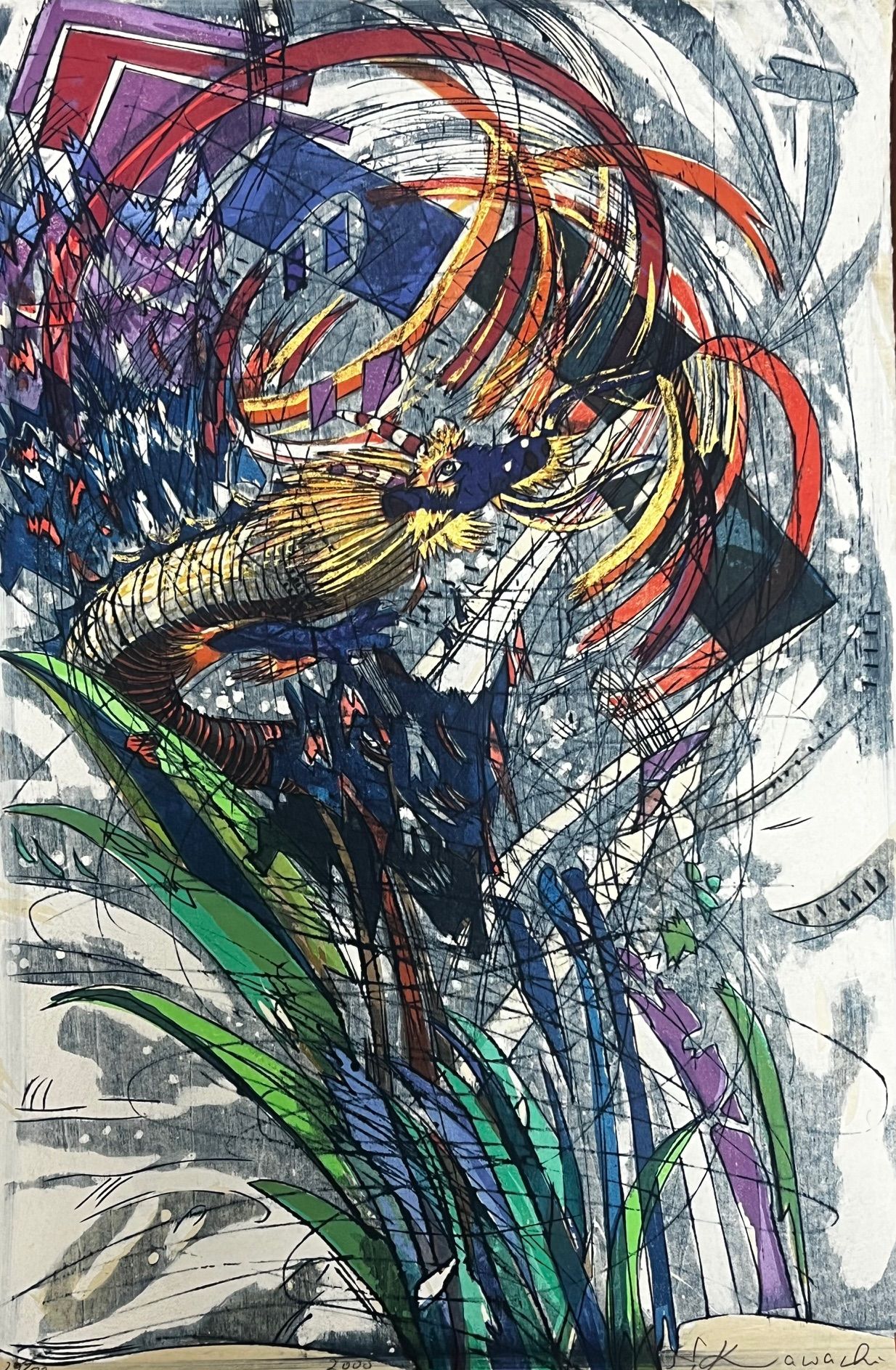
河内成幸
2000 Riu VI
2000
woodblock
Prints
H57 × W38 cm
Artist Profile
Print artist. Kawachi was born in Uenohara in Yamanashi Prefecture. He graduated in 1973 from the Oil Painting Department of Tama Art University, but had already begun to experiment with prints as a result of the influence of the lively printmaking department there. He won the newcomer’s prize at the Japanese Print Association Exhibition in 1970. From graduation up to 1985 he taught at his old university, at which time he went on a Monbusho (Ministry of Education) Scholarship to Columbia University, New York, Graduate School, followed by travel in Europe in 1986. In 1976 he had won the Grand Prix at the Japanese Print Association Exhibition and from then on worked mainly in woodblock, having experimented until then with silk screen, lithograph and even collages. His mature style has been semi-abstract, almost always on dark backgrounds, with constant reference to mechanical stress. He has periodically tried other forms of subject-matter but always so far returned to his basic themes. He has developed a potent combination of straightforward woodblock (‘anastatic’ to use his word) with engraved blocks (intaglio). Some of his compositions have been very large and in series of sheets. Until around 1982/3 he used the name Kawachi Shigeyuki.
A-forest Gallery
Detail- SECTION :
- Galleries
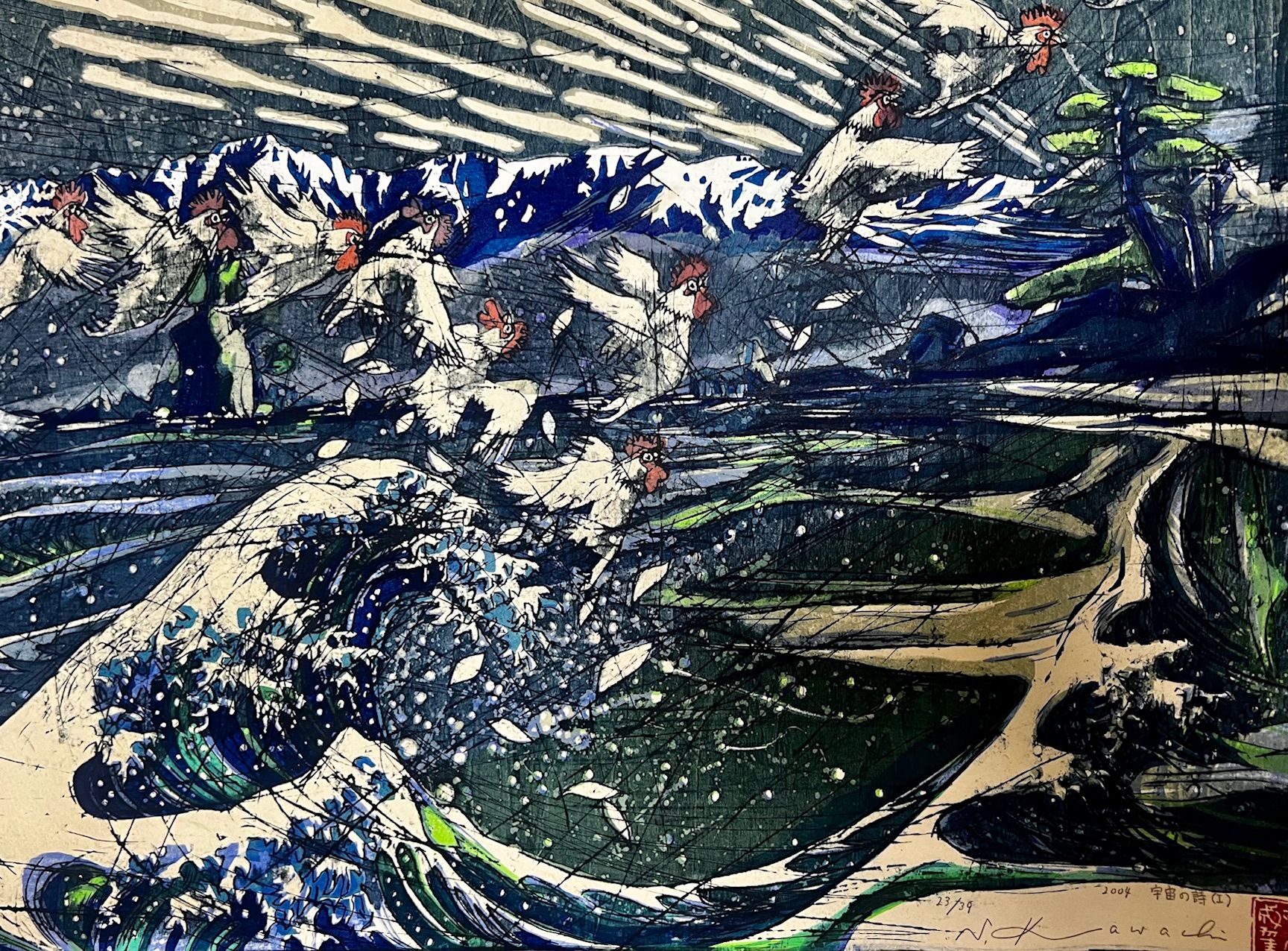
河内成幸
Poem of the Universe I
2004
woodblock
Prints
H50 × W100 cm
Artist Profile
Print artist. Kawachi was born in Uenohara in Yamanashi Prefecture. He graduated in 1973 from the Oil Painting Department of Tama Art University, but had already begun to experiment with prints as a result of the influence of the lively printmaking department there. He won the newcomer’s prize at the Japanese Print Association Exhibition in 1970. From graduation up to 1985 he taught at his old university, at which time he went on a Monbusho (Ministry of Education) Scholarship to Columbia University, New York, Graduate School, followed by travel in Europe in 1986. In 1976 he had won the Grand Prix at the Japanese Print Association Exhibition and from then on worked mainly in woodblock, having experimented until then with silk screen, lithograph and even collages. His mature style has been semi-abstract, almost always on dark backgrounds, with constant reference to mechanical stress. He has periodically tried other forms of subject-matter but always so far returned to his basic themes. He has developed a potent combination of straightforward woodblock (‘anastatic’ to use his word) with engraved blocks (intaglio). Some of his compositions have been very large and in series of sheets. Until around 1982/3 he used the name Kawachi Shigeyuki.
A-forest Gallery
Detail- SECTION :
- Galleries
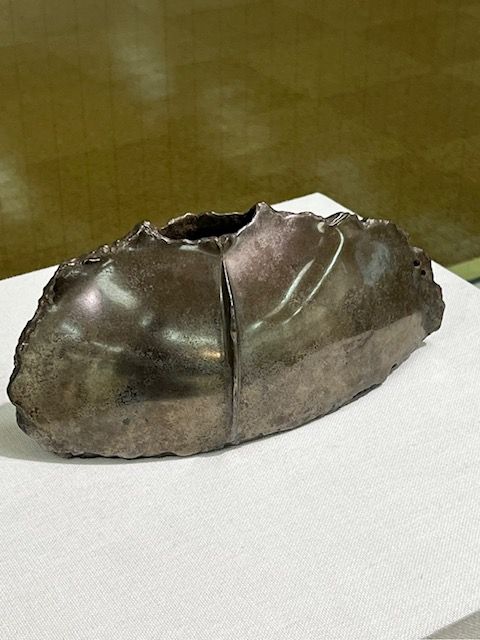
すぎもり えいとく
鎧曇
四分一鋳造
Craft
H30 × W15 × D15 cm
Artist Profile
Sugimori’s first solo exhibition in New York was in 1999. Since then, he has regularly presented his works in New York as well as Europe. In 2002, he went to the United States as a researcher and special assistant at San Francisco State University. He is based in New York since 2003 and has been engaging in art creation and research for more than 10 years. His research book “Japanese Patinas” published in 2005 received high praise as the first English book to introduce Japanese traditional coloring techniques to the West.
A-forest Gallery
Detail- SECTION :
- Galleries

河内成幸
Take Off Hosukai X
woodblock
Prints
H16 × W39 cm
Artist Profile
Print artist. Kawachi was born in Uenohara in Yamanashi Prefecture. He graduated in 1973 from the Oil Painting Department of Tama Art University, but had already begun to experiment with prints as a result of the influence of the lively printmaking department there. He won the newcomer’s prize at the Japanese Print Association Exhibition in 1970. From graduation up to 1985 he taught at his old university, at which time he went on a Monbusho (Ministry of Education) Scholarship to Columbia University, New York, Graduate School, followed by travel in Europe in 1986. In 1976 he had won the Grand Prix at the Japanese Print Association Exhibition and from then on worked mainly in woodblock, having experimented until then with silk screen, lithograph and even collages. His mature style has been semi-abstract, almost always on dark backgrounds, with constant reference to mechanical stress. He has periodically tried other forms of subject-matter but always so far returned to his basic themes. He has developed a potent combination of straightforward woodblock (‘anastatic’ to use his word) with engraved blocks (intaglio). Some of his compositions have been very large and in series of sheets. Until around 1982/3 he used the name Kawachi Shigeyuki.
A-forest Gallery
Detail- SECTION :
- Galleries
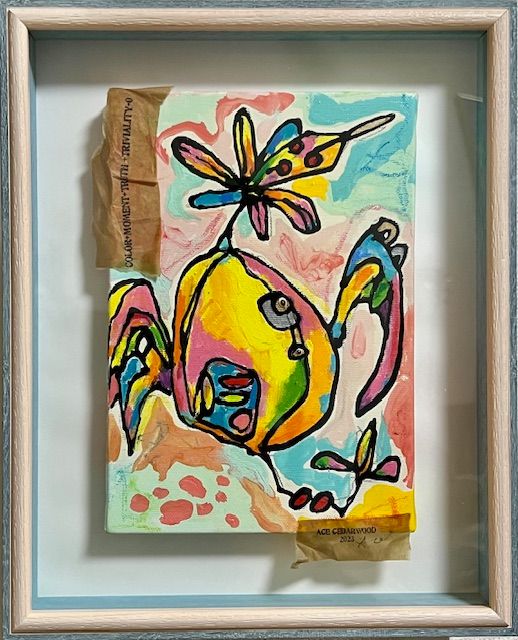
すぎもり えいとく
Dreamer
2023
oil
Painting
H23 × W16 cm
Artist Profile
Sugimori’s first solo exhibition in New York was in 1999. Since then, he has regularly presented his works in New York as well as Europe. In 2002, he went to the United States as a researcher and special assistant at San Francisco State University. He is based in New York since 2003 and has been engaging in art creation and research for more than 10 years. His research book “Japanese Patinas” published in 2005 received high praise as the first English book to introduce Japanese traditional coloring techniques to the West.
A-forest Gallery
Detail- SECTION :
- Galleries
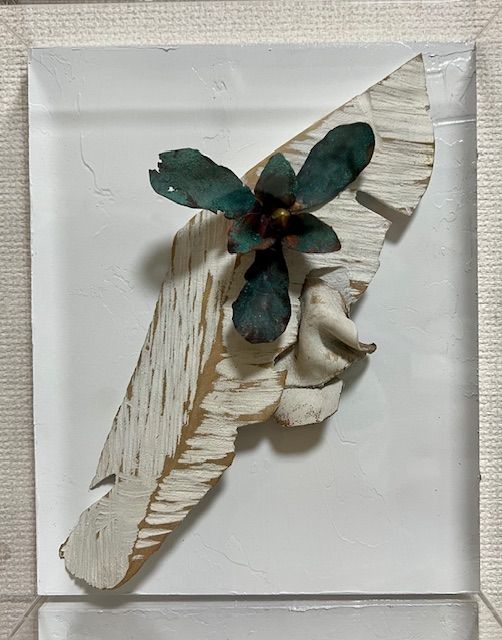
すぎもり えいとく
Dreamer
2023
copper wood leather
Craft
H28 × W23 × D6 cm
Artist Profile
Sugimori’s first solo exhibition in New York was in 1999. Since then, he has regularly presented his works in New York as well as Europe. In 2002, he went to the United States as a researcher and special assistant at San Francisco State University. He is based in New York since 2003 and has been engaging in art creation and research for more than 10 years. His research book “Japanese Patinas” published in 2005 received high praise as the first English book to introduce Japanese traditional coloring techniques to the West.
A-forest Gallery
Detail- SECTION :
- Galleries
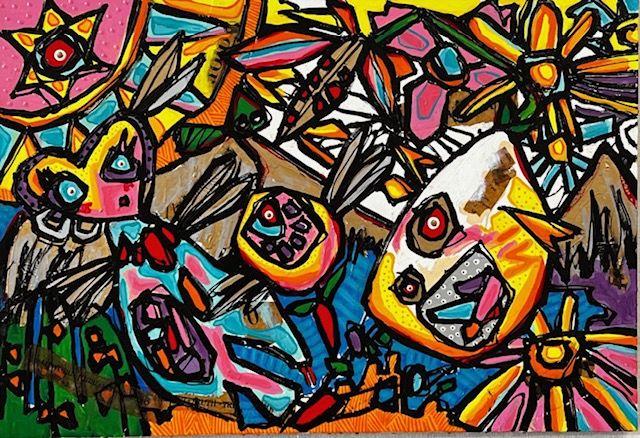
すぎもり えいとく
Dreamer
oil
Painting
H50 × W72 cm
Artist Profile
Sugimori’s first solo exhibition in New York was in 1999. Since then, he has regularly presented his works in New York as well as Europe. In 2002, he went to the United States as a researcher and special assistant at San Francisco State University. He is based in New York since 2003 and has been engaging in art creation and research for more than 10 years. His research book “Japanese Patinas” published in 2005 received high praise as the first English book to introduce Japanese traditional coloring techniques to the West.
A-forest Gallery
Detail- SECTION :
- Galleries
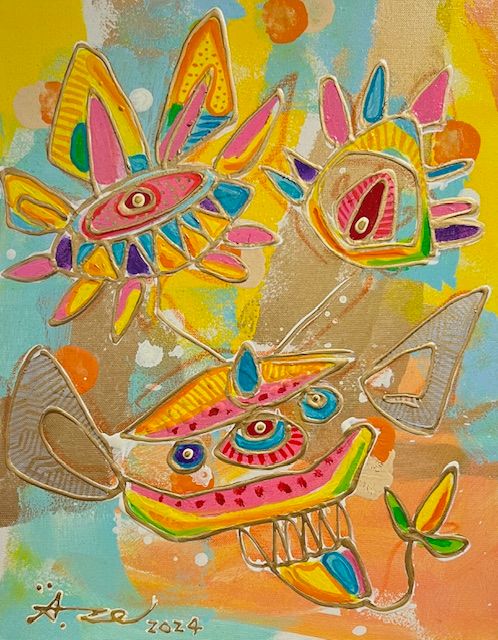
すぎもり えいとく
Dreamer
2024
oil
Painting
H41 × W32 cm
Artist Profile
Sugimori’s first solo exhibition in New York was in 1999. Since then, he has regularly presented his works in New York as well as Europe. In 2002, he went to the United States as a researcher and special assistant at San Francisco State University. He is based in New York since 2003 and has been engaging in art creation and research for more than 10 years. His research book “Japanese Patinas” published in 2005 received high praise as the first English book to introduce Japanese traditional coloring techniques to the West.
A-forest Gallery
Detail- SECTION :
- Galleries
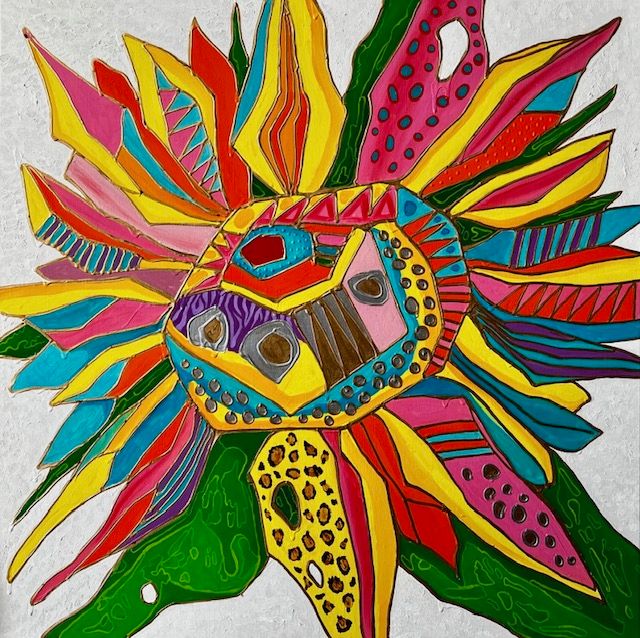
すぎもり えいとく
Dreamer
oil
Painting
H91 × W91 cm
Artist Profile
Sugimori’s first solo exhibition in New York was in 1999. Since then, he has regularly presented his works in New York as well as Europe. In 2002, he went to the United States as a researcher and special assistant at San Francisco State University. He is based in New York since 2003 and has been engaging in art creation and research for more than 10 years. His research book “Japanese Patinas” published in 2005 received high praise as the first English book to introduce Japanese traditional coloring techniques to the West.
A-forest Gallery
Detail- SECTION :
- Galleries
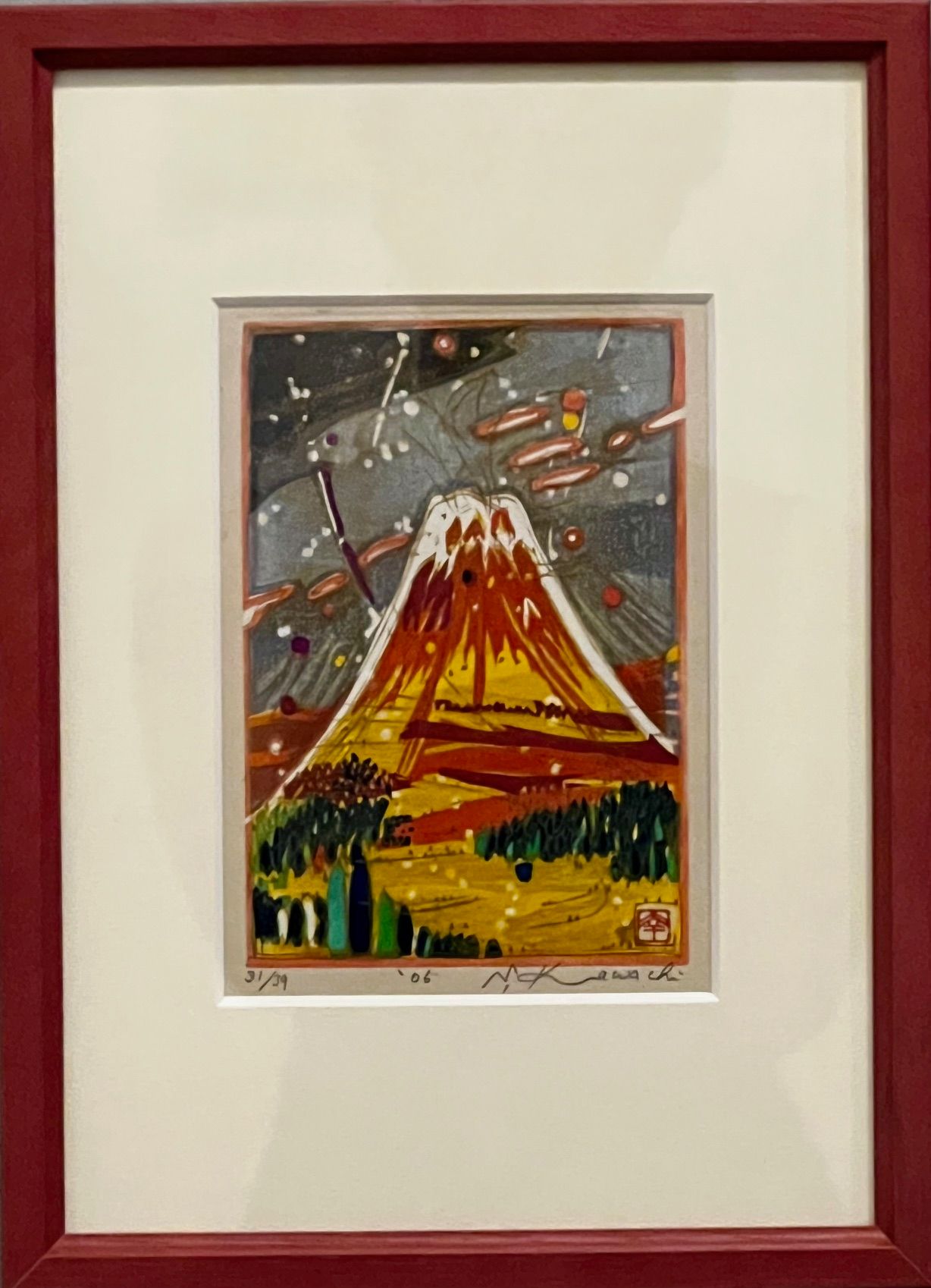
河内成幸
Oogonn no kuni
2006
woodblock
Prints
H16 × W11 cm
Artist Profile
Print artist. Kawachi was born in Uenohara in Yamanashi Prefecture. He graduated in 1973 from the Oil Painting Department of Tama Art University, but had already begun to experiment with prints as a result of the influence of the lively printmaking department there. He won the newcomer’s prize at the Japanese Print Association Exhibition in 1970. From graduation up to 1985 he taught at his old university, at which time he went on a Monbusho (Ministry of Education) Scholarship to Columbia University, New York, Graduate School, followed by travel in Europe in 1986. In 1976 he had won the Grand Prix at the Japanese Print Association Exhibition and from then on worked mainly in woodblock, having experimented until then with silk screen, lithograph and even collages. His mature style has been semi-abstract, almost always on dark backgrounds, with constant reference to mechanical stress. He has periodically tried other forms of subject-matter but always so far returned to his basic themes. He has developed a potent combination of straightforward woodblock (‘anastatic’ to use his word) with engraved blocks (intaglio). Some of his compositions have been very large and in series of sheets. Until around 1982/3 he used the name Kawachi Shigeyuki.
A-forest Gallery
Detail- SECTION :
- Galleries
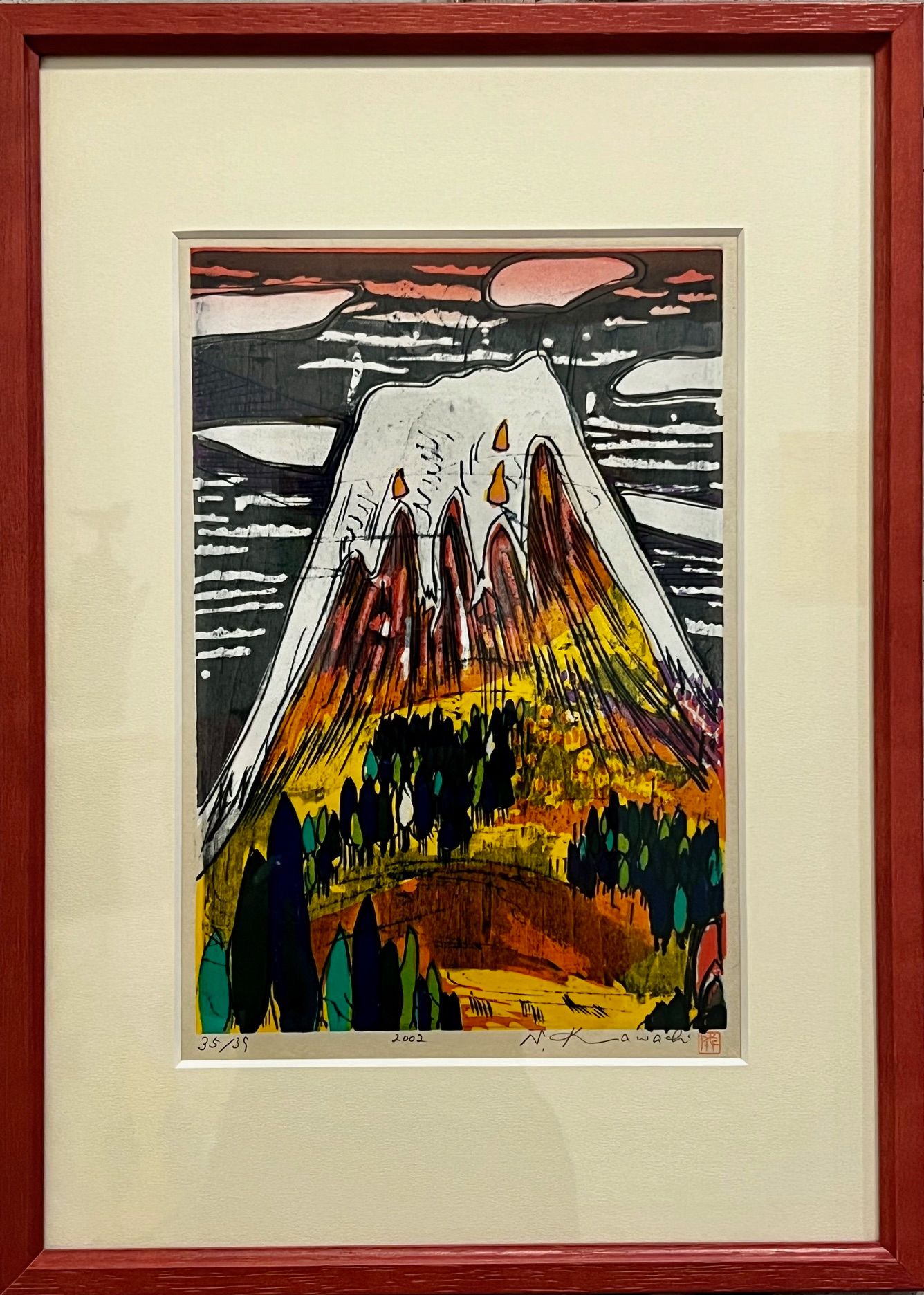
河内成幸
Oogonn no kuni (akafuji)
2002
woodblock
Prints
H27 × W18 cm
Artist Profile
Print artist. Kawachi was born in Uenohara in Yamanashi Prefecture. He graduated in 1973 from the Oil Painting Department of Tama Art University, but had already begun to experiment with prints as a result of the influence of the lively printmaking department there. He won the newcomer’s prize at the Japanese Print Association Exhibition in 1970. From graduation up to 1985 he taught at his old university, at which time he went on a Monbusho (Ministry of Education) Scholarship to Columbia University, New York, Graduate School, followed by travel in Europe in 1986. In 1976 he had won the Grand Prix at the Japanese Print Association Exhibition and from then on worked mainly in woodblock, having experimented until then with silk screen, lithograph and even collages. His mature style has been semi-abstract, almost always on dark backgrounds, with constant reference to mechanical stress. He has periodically tried other forms of subject-matter but always so far returned to his basic themes. He has developed a potent combination of straightforward woodblock (‘anastatic’ to use his word) with engraved blocks (intaglio). Some of his compositions have been very large and in series of sheets. Until around 1982/3 he used the name Kawachi Shigeyuki.
A-forest Gallery
Detail- SECTION :
- Galleries
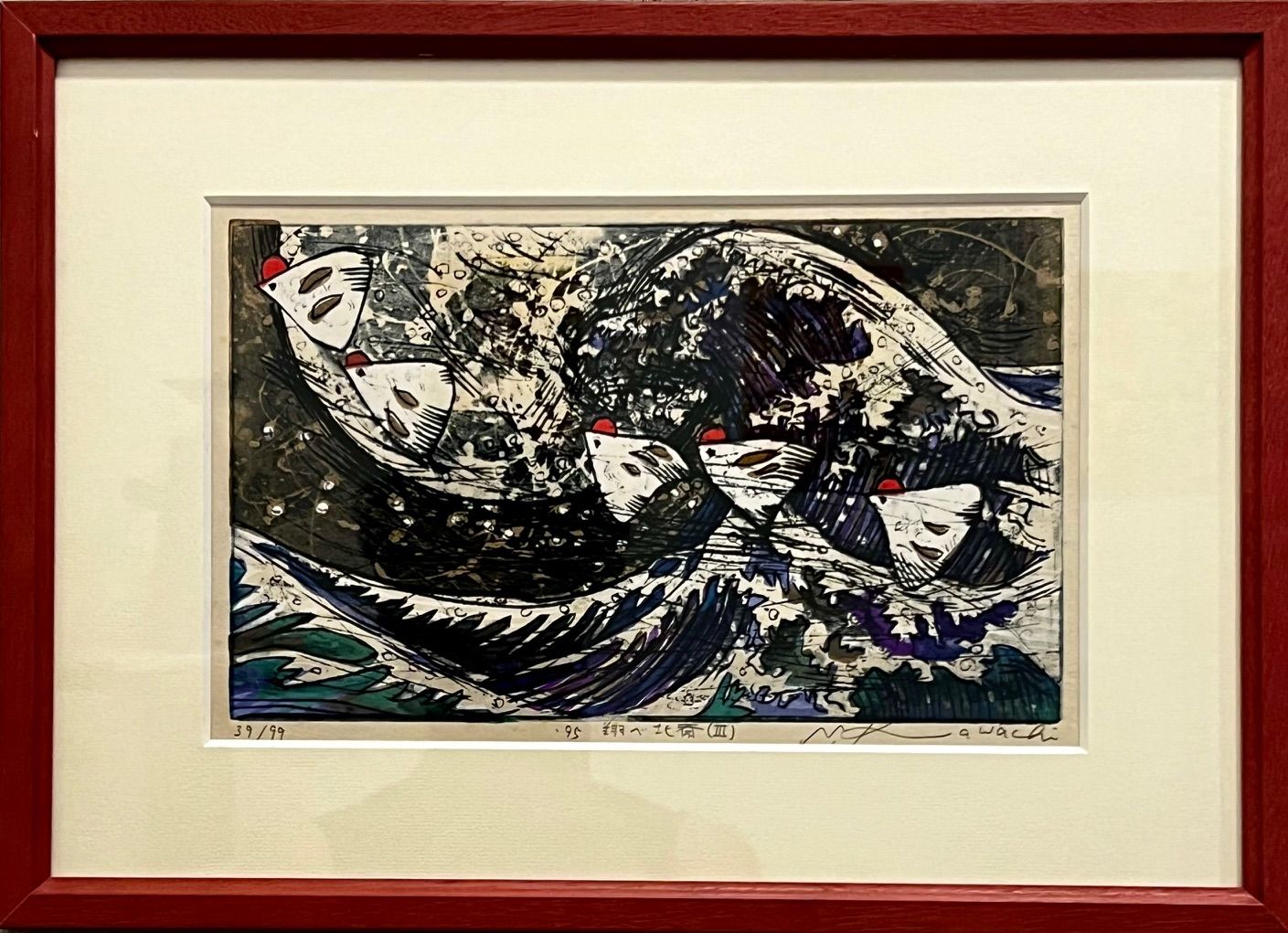
河内成幸
Take Off Hosukai III
1995
woodblock
Prints
H15 × W25 cm
Artist Profile
Print artist. Kawachi was born in Uenohara in Yamanashi Prefecture. He graduated in 1973 from the Oil Painting Department of Tama Art University, but had already begun to experiment with prints as a result of the influence of the lively printmaking department there. He won the newcomer’s prize at the Japanese Print Association Exhibition in 1970. From graduation up to 1985 he taught at his old university, at which time he went on a Monbusho (Ministry of Education) Scholarship to Columbia University, New York, Graduate School, followed by travel in Europe in 1986. In 1976 he had won the Grand Prix at the Japanese Print Association Exhibition and from then on worked mainly in woodblock, having experimented until then with silk screen, lithograph and even collages. His mature style has been semi-abstract, almost always on dark backgrounds, with constant reference to mechanical stress. He has periodically tried other forms of subject-matter but always so far returned to his basic themes. He has developed a potent combination of straightforward woodblock (‘anastatic’ to use his word) with engraved blocks (intaglio). Some of his compositions have been very large and in series of sheets. Until around 1982/3 he used the name Kawachi Shigeyuki.
A-forest Gallery
Detail- SECTION :
- Galleries
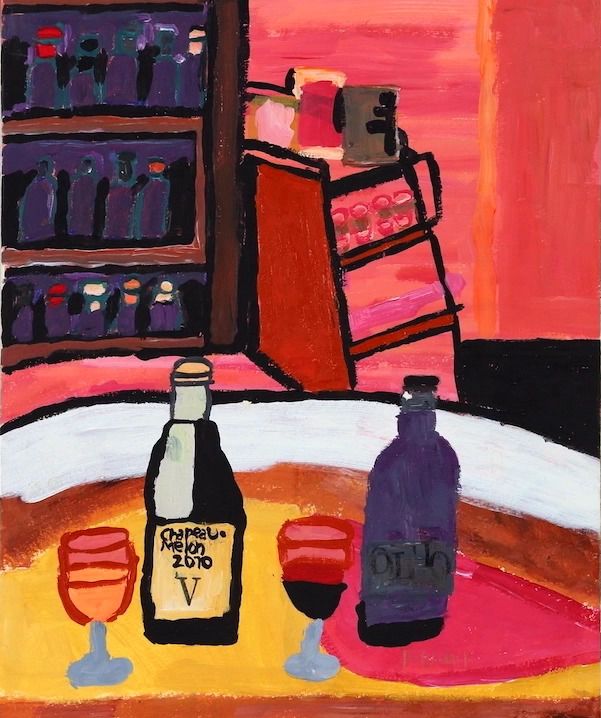
Fumi Takada
A girls' party at a wine café to look at books and talk
2018
Acrylic paint, colored pencils
Painting
H27 × W22.5 × D2 cm
JOY倶楽部 アトリエブラヴォ
Detail- SECTION :
- Partner
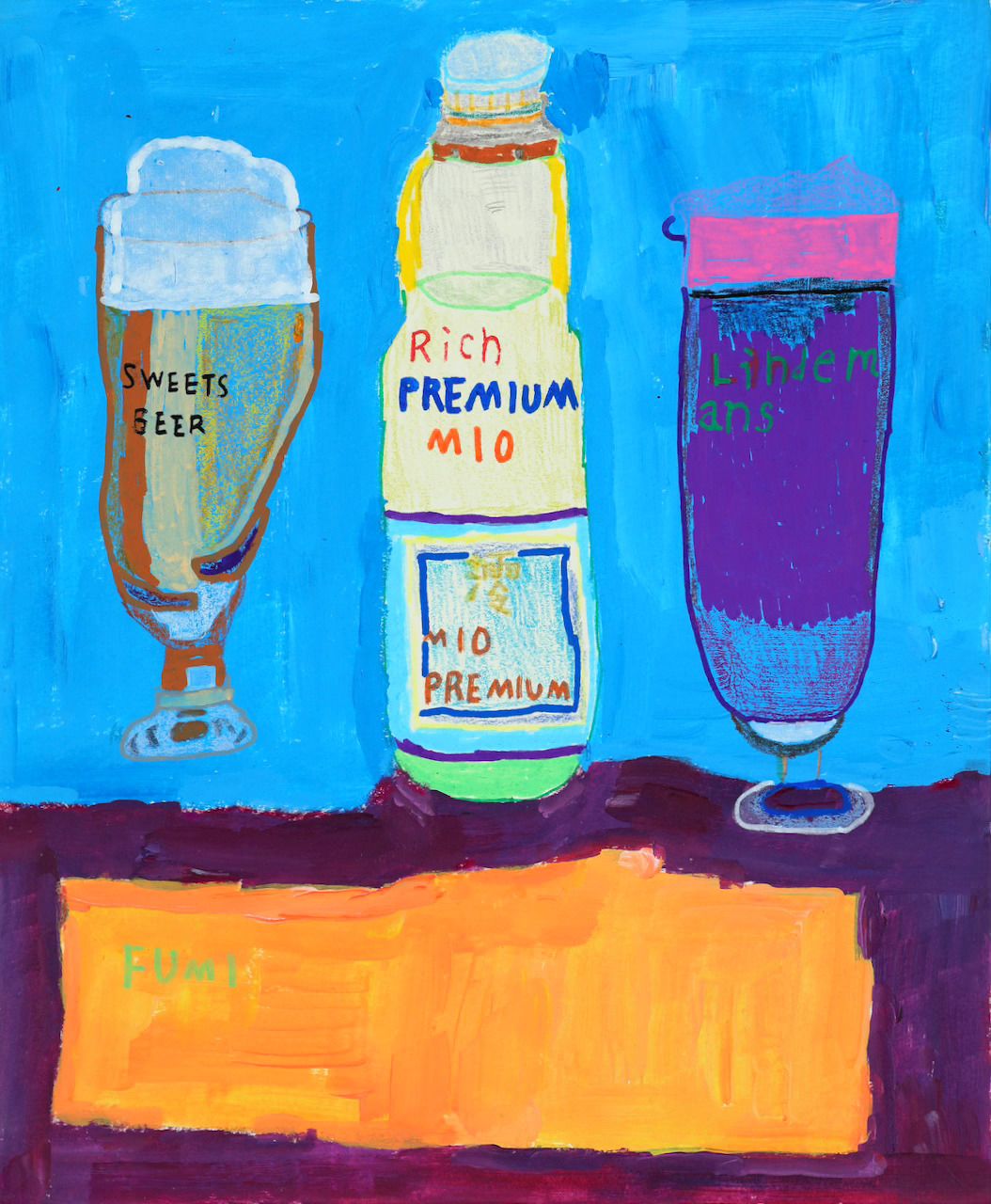
Fumi Takada
Pine, bamboo, plum and beer adult bar
2023
Acrylic paints, markers, colored pencils
Painting
H27 × W22.5 × D2 cm
JOY倶楽部 アトリエブラヴォ
Detail- SECTION :
- Partner
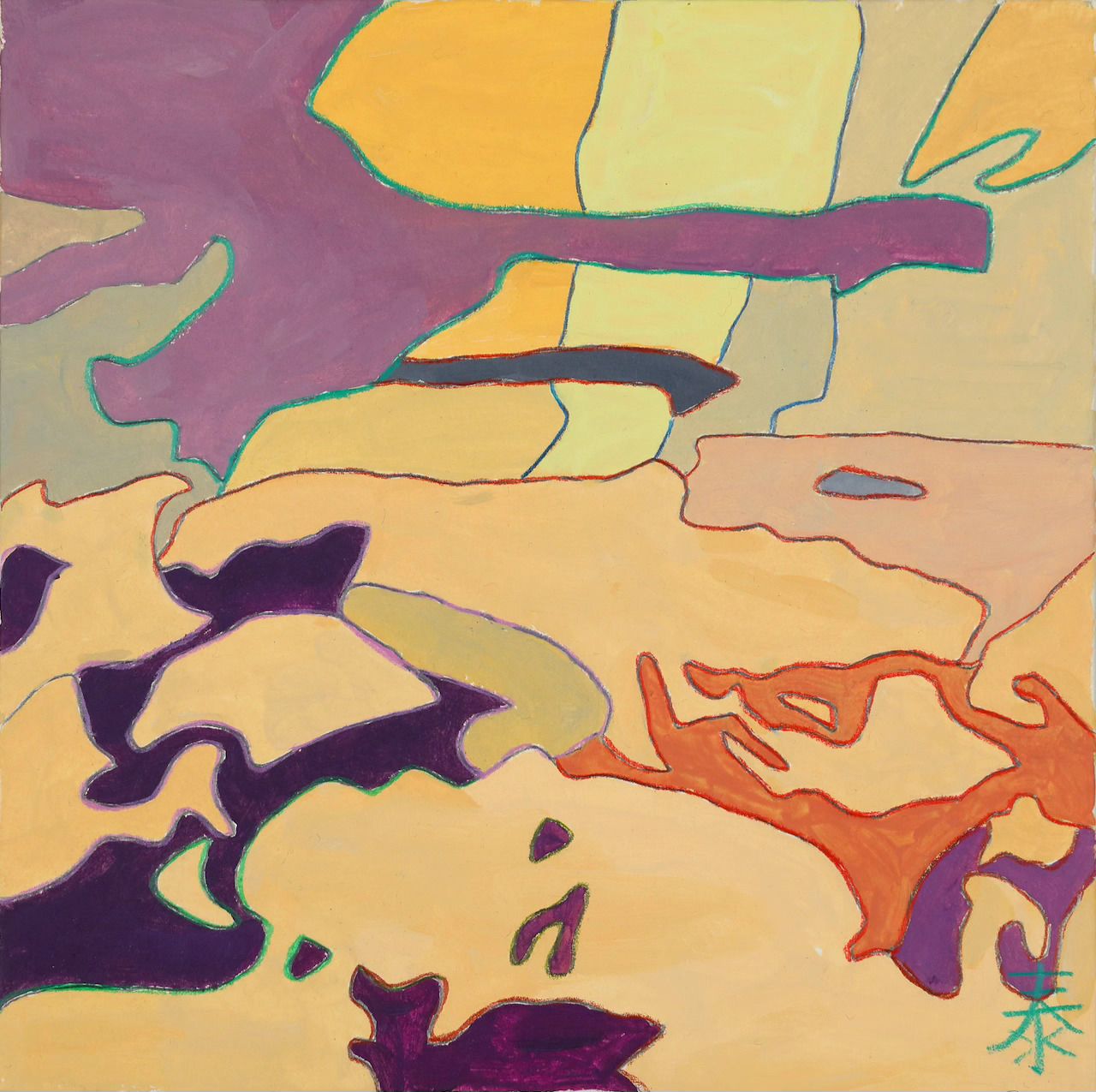
Yasuhiro Kobayashi
Rainbow in the clouds (Kauai)
2022
Acrylic paint colored pencil
Painting
H22.5 × W22.5 × D2 cm
JOY倶楽部 アトリエブラヴォ
Detail- SECTION :
- Partner
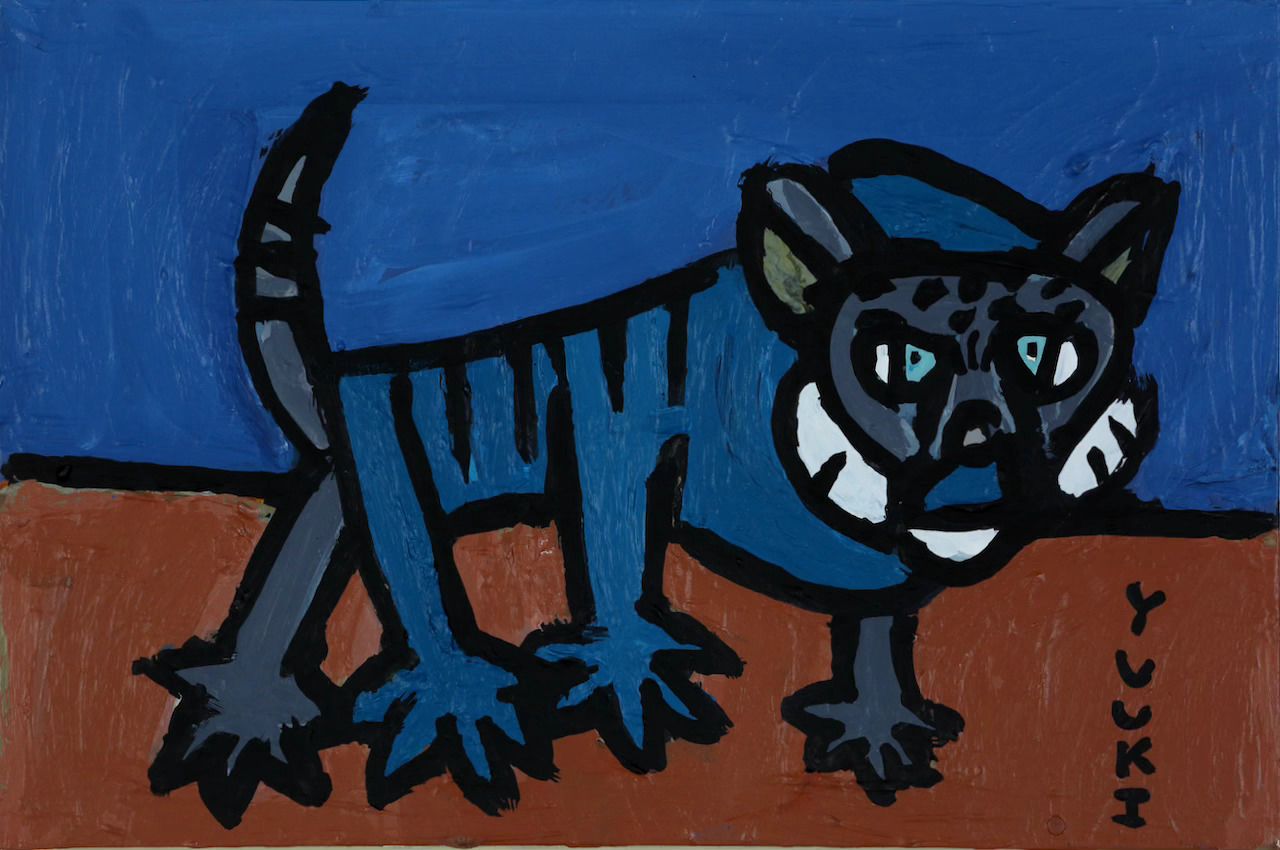
Yuuki Kawakami
Manul
2021
Acrylic paints
Painting
H26.5 × W40 × D2 cm
JOY倶楽部 アトリエブラヴォ
Detail- SECTION :
- Partner
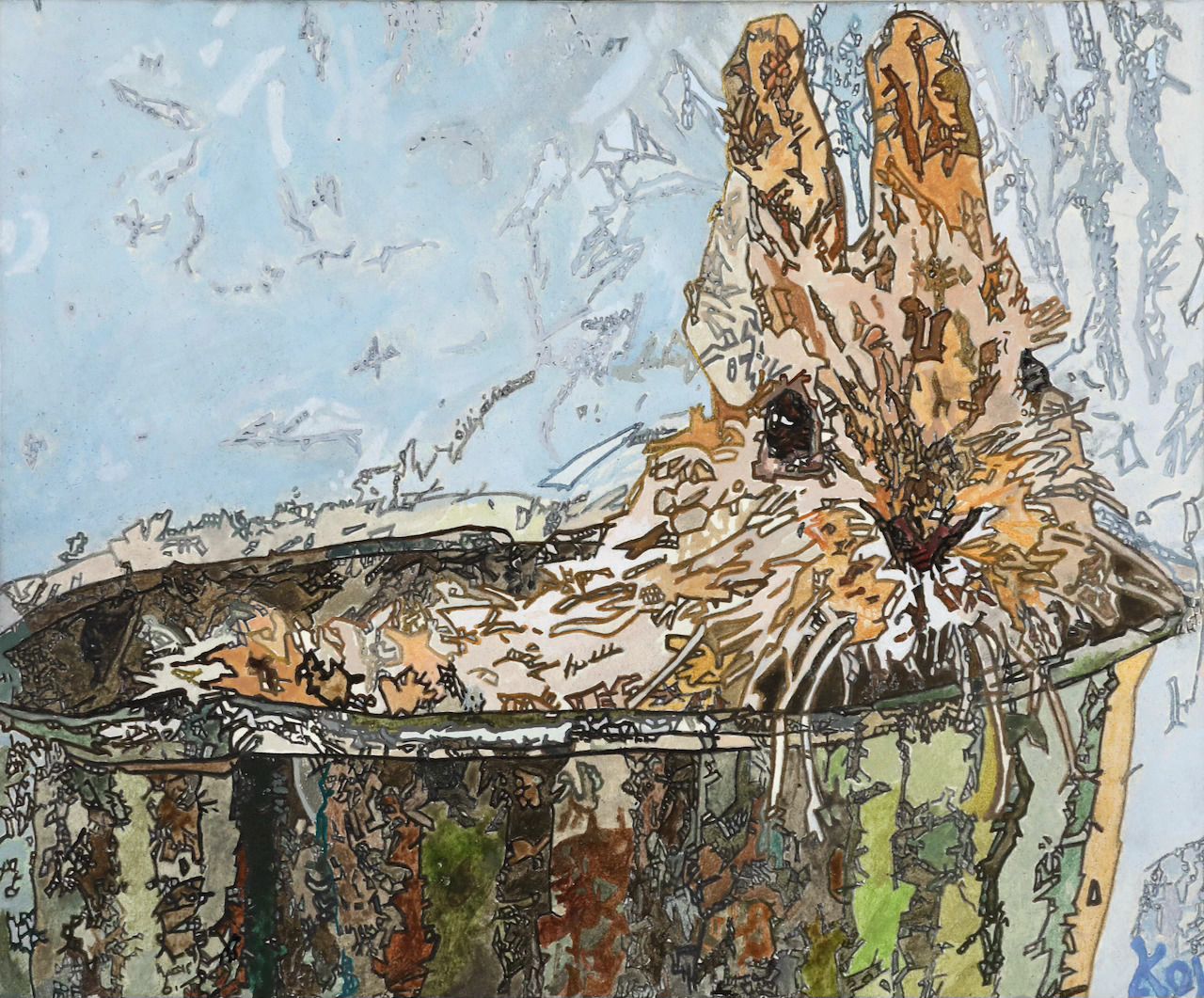
Kodai Hiwatashi
Red rabbit
2022
Acrylic painting
Painting
H22 × W27 × D2 cm
JOY倶楽部 アトリエブラヴォ
Detail- SECTION :
- Partner
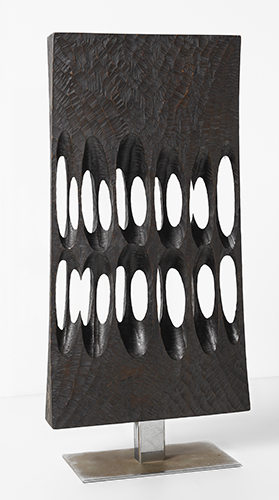
Tomonori Toyofuku
Untitled
1983
Wood carving
Other
H930 × W410 × D200 mm
MIZOE ART GALLERY
Detail- SECTION :
- Galleries
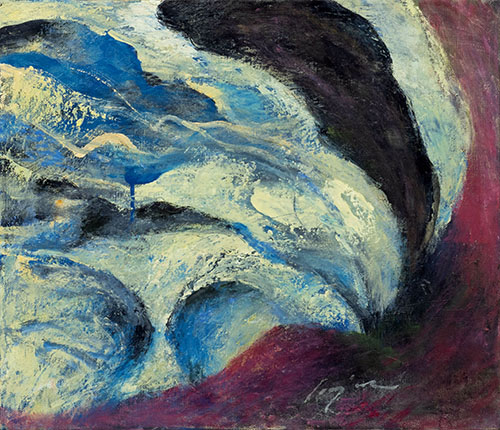
Gyoji Nomiyama
Forgot It All
2018
Oil
Other
H45.5 × W53 cm
Artist Profile
Gyoji Nomiyama was born in 1920 in Honami Village of Fukuoka Prefecture, now the city of Iizuka. He spent his childhood in the Chikuho region, which boasted a prosperous coal industry, and later entered the Tokyo School of Fine Arts (now Tokyo University of the Arts) with the intention of becoming a painter. Upon graduation, he was drafted into the Japanese army and sent to Manchuria. After the war, he spent 12 years in Paris from 1952, after which he returned to Japan and served as a professor at Tokyo University of the Arts. In 2014, he was awarded the Order of Cultural Merit for his many years of distinguished service and remained active in his artistic endeavors while traveling between Tokyo and Fukuoka, until his death at age of 102.
MIZOE ART GALLERY
Detail- SECTION :
- Galleries
Error loading more works.